
The question of whether mk brakes deserve a place in your vehicle requires the sort of careful consideration we might give to any decision that involves both safety and investment, a weighing of qualities that extends beyond mere numbers into the realm of real-world performance and the subtle art of automotive engineering. Like so many aspects of mechanical life, brake components reveal their true character not in showrooms or catalogues, but in the daily experience of stopping, the confidence inspired by consistent performance, and the longevity that justifies initial expenditure.
The Essential Nature of Brake Components
To understand what makes certain brake pads superior to others, we must first acknowledge what they actually do. These friction materials, pressed against rotating discs with tremendous force, convert kinetic energy into heat, slowing thousands of kilograms of metal, plastic, and human life. This transformation occurs dozens, perhaps hundreds of times each day, in conditions ranging from gentle deceleration to emergency stops that demand every bit of available grip.
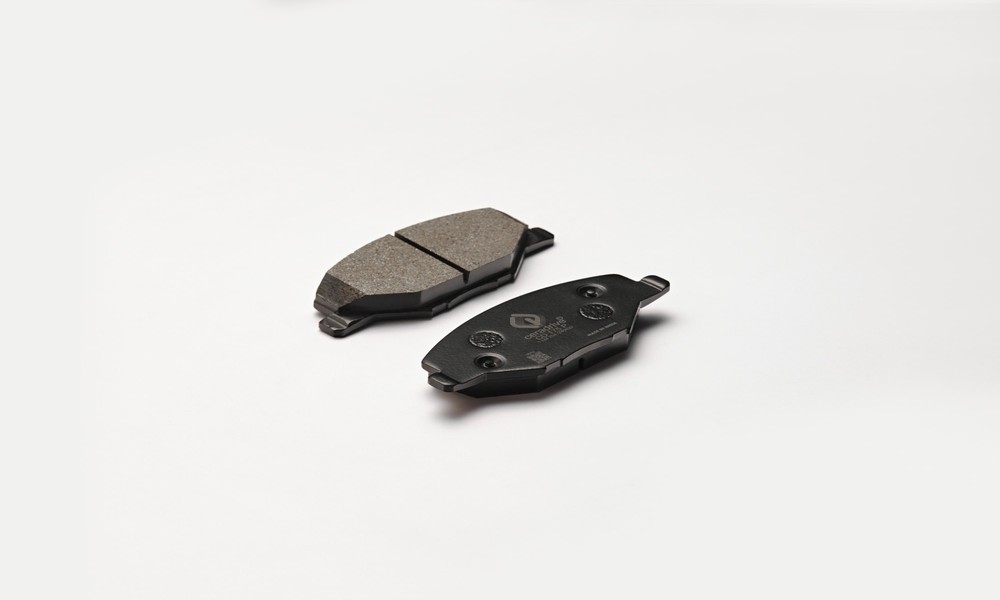
The mk brake pads enter this demanding arena with a heritage of Japanese engineering, that particular approach to manufacturing that prizes consistency and reliability above flash or marketing hyperbole. They represent a middle path, neither the cheapest option that might tempt the budget-conscious nor the premium racing-oriented products that promise more than most drivers will ever need.
Performance Characteristics Worth Considering
When evaluating MK brakes, we encounter several performance dimensions that matter in practical use:
- Initial bite, that moment when the pad first contacts the disc and begins slowing the vehicle
- Modulation, the ability to vary braking force smoothly rather than in abrupt transitions
- Fade resistance, maintaining performance as components heat during extended use
- Noise characteristics, or the blessed absence thereof
- Dust generation, which affects both wheel cleanliness and environmental impact
In Singapore’s particular context, where traffic patterns involve frequent stops, tropical heat adds thermal stress, and humidity introduces moisture into brake systems, these characteristics take on additional importance. As one experienced automotive technician in Singapore notes, “MK brake components handle our stop-and-go traffic patterns remarkably well, maintaining consistent feel even during extended use in heavy congestion.”
Durability in the Long Term
The true measure of brake pad quality emerges not in the first thousand kilometres, but in the ten or twenty thousand that follow. Inferior pads wear unevenly, develop grooves, or begin producing noise as their composition degrades. Quality pads maintain their characteristics throughout their service life, providing predictable performance from installation to replacement.
The mk brake pads demonstrate this durability through their material composition and manufacturing precision. The friction material itself must resist the thermal cycling that destroys lesser pads. The backing plate must maintain its integrity despite repeated heating and cooling. The adhesive bonding these elements together must never fail, a requirement that sounds obvious until one considers the forces and temperatures involved.
Wear rates vary depending on driving style, vehicle weight, and operating conditions. Yet within these variables, quality pads distinguish themselves through consistent, predictable wear patterns that allow for planned maintenance rather than unexpected failures.
The Value Proposition
Price alone tells us little. A cheap pad that requires replacement twice as often as a quality alternative ultimately costs more in both parts and labour. Conversely, premium pads engineered for racing applications often prove wasteful for street use.
MK brakes occupy what might be termed the sweet spot of value, that intersection where quality meets reasonable pricing. They cost more than economy options but less than premium alternatives, a positioning that reflects their actual capabilities rather than marketing aspiration.
Consider the complete cost picture:
- Initial purchase price
- Installation labour, which remains constant regardless of pad quality
- Service life duration before replacement becomes necessary
- Rotor wear, as aggressive pads can accelerate disc degradation
- Cleaning time and products necessitated by dust generation
When viewed through this comprehensive lens, MK brake pads present a compelling argument. Their moderate pricing combines with good service life and low rotor wear to create genuine value.
Installation and Bedding Considerations
Even quality brake components require proper installation and bedding procedures. The bedding process, those first kilometres when pad material transfers microscopically to the rotor surface, establishes the foundation for future performance. Rushed or improper bedding creates uneven deposits that manifest as vibration or reduced stopping power.
Professional installation ensures correct fitment, proper lubrication of slide pins and contact points, and adherence to torque specifications.
Real-World Performance Observations
In Singapore’s demanding environment, where traffic density creates constant braking demands and tropical conditions test component durability, MK brakes have established a reputation for reliable service. They neither excel dramatically nor disappoint significantly, instead offering the steady, dependable performance that characterises well-engineered products.
One automotive journalist familiar with Singapore’s market observes, “The mk brakes range demonstrates that sometimes the most valuable characteristic is simply doing what’s expected, consistently, without drama or failure.”
The Final Assessment
In evaluating any automotive component, we balance multiple considerations: safety, performance, durability, cost, and the intangible quality of confidence. MK brake pads address these factors competently, offering a solution that serves most drivers well without demanding premium prices or promising unrealistic performance gains.
They will not transform your vehicle’s braking, but neither will they disappoint through premature wear or inadequate stopping power. For the driver seeking reliable, cost-effective brake maintenance without the anxiety of economy-grade components or the expense of premium alternatives, these represent a sensible choice, the sort of decision that prioritises substance over marketing and long-term value over initial savings. In the end, what matters most is stopping when needed, consistently and reliably, and quality brake pads deliver precisely that essential capability.