

The Fundamentals of Automotive Maintenance and Sales
Owning a vehicle in today’s world is about more than just having keys to freedom. It demands a smart, proactive approach to both maintenance and sales decisions. Neglecting vehicle maintenance can lead to significant consequences, including costly repairs, reduced fuel efficiency, and serious safety risks. Studies show that a portion of motor vehicle fatalities are directly linked to maintenance neglect. Even small habits, such as driving at higher speeds, can significantly increase fuel consumption.
This extensive guide aims to empower you to navigate the complexities of modern vehicle ownership with confidence. We will explore essential routine maintenance services and the benefits of specialized tire care. We will also cover crucial consumer rights in auto repairs and smart strategies for vehicle sales, including what to look for when buying a used car.
Understanding these elements is key to ensuring your vehicle remains safe, reliable, and retains its value over time. For many, finding a trusted partner for both vehicle maintenance and sales, such as Platte Valley Auto sales and service, simplifies the entire ownership experience. We believe that informed owners make the best decisions, leading to longer vehicle life and greater peace of mind.
Effective automotive maintenance is the cornerstone of vehicle longevity and safe operation. It’s not just about fixing things when they break, but rather about a consistent regimen of preventive care that keeps issues from arising in the first place. The most common automotive maintenance services recommended for regular vehicle upkeep include routine oil changes, brake inspections, tire rotations, and fluid checks. These services are vital for maintaining optimal performance and preventing premature wear and tear on critical components.
Your vehicle’s owner’s manual is the ultimate guide to its specific maintenance needs. It outlines a recommended maintenance schedule tailored to your make and model, detailing how often various services should occur. For instance, while general advice often suggests oil and oil filter changes every 5,000 kilometers for frequent short trips or towing, your manual might specify different intervals based on driving conditions and oil type. Adhering to this schedule is paramount.
Neglecting these basic services can have serious repercussions. Consider that 5 percent of all motor vehicle fatalities are clearly caused by automobile maintenance neglect. Beyond safety, there are significant financial implications. Regular preventive maintenance can save substantial money over the life of your vehicle by extending its lifespan and reducing the likelihood of expensive, unexpected repairs. For example, ensuring proper fluid levels and quality through regular fluid flushes (like transmission fluid changes) protects precision-crafted components. Changing the transmission fluid and filter every 48,000 kilometers, as recommended, can prevent costly transmission failures down the line.
Moreover, maintenance directly impacts fuel economy. Driving at 110 kilometers per hour rather than 90 increases fuel consumption by 20 percent. This isn’t just about speed; engine health is critical. A fouled spark plug or a plugged/restricted fuel injector can reduce fuel efficiency by as much as 30 percent. Keeping these components clean and functioning correctly is a simple way to keep more money in your wallet.
To illustrate the financial impact of neglecting maintenance versus proactive care, let’s look at some common repair costs for popular vehicle types. These figures highlight why addressing minor issues before they escalate is always the more economical choice.
Common Repair Costs for Trucks and SUVs
Repair Service Ford F-150 (Estimated Cost) Toyota Highlander (Estimated Cost) Front Suspension Shock/Strut $926 $767 Head Gasket $2,372 $3,003 Brake Pads (most frequent) $195 $267 Note: These are estimated costs for parts and labor and can vary based on location, shop, and specific parts used.
These figures demonstrate that while maintenance costs are ongoing, they are generally far lower than the cost of a major component failure. Regular brake checks, for example, can catch worn pads before they damage rotors, turning a $195-$267 job into a much more expensive repair.
Core Strategies for Automotive Maintenance and Sales Success
Beyond the basic checks, several core strategies contribute to long-term vehicle health and value. Tire rotations, for instance, should occur about every 8,000 kilometers to ensure even wear and extend tire life. Checking tire pressures once a month is also crucial for safety and fuel efficiency.
Maintaining your vehicle’s exterior is also part of its overall care. Just as mechanical components require attention, the body and paintwork benefit from regular care. For expert advice on preserving your car’s finish, consider resources on automotive paint maintenance. Proper paint care not only keeps your vehicle looking good but also protects against rust and corrosion, which can lead to more significant structural issues over time.
Suspension integrity is another critical area. Regular suspension checks can prevent costly repairs and enhance driving safety and comfort. Shock absorbers and struts have lifespans that vary greatly depending on road conditions; rougher roads wear them out faster. When suspension components are replaced, a wheel alignment is often necessary, adding to the overall cost but ensuring proper handling and preventing uneven tire wear.
Fluid flushes, such as for the cooling system, are also important. Flushing the cooling system every 24 months, for example, helps prevent overheating and corrosion of engine components. This is especially vital in climates with extreme temperatures.
Understanding the Synergy Between Automotive Maintenance and Sales
The connection between meticulous automotive maintenance and successful sales is undeniable. A well-maintained vehicle not only performs better and lasts longer but also commands a higher resale value. This is where the concept of certified pre-owned (CPO) vehicles truly shines. These vehicles undergo rigorous multi-point inspections-often 150 points or more-and typically come with comprehensive maintenance records, providing transparency and peace of mind to buyers.
Buying a certified used car can be a smart financial decision, with prices often up to 30% lower than buying new, while still offering extended warranties and the assurance of quality. When considering a used vehicle, a thorough vehicle history report (VHR) is essential. This report provides crucial information about past accidents, title status, and service history. A car with a complete maintenance record signals responsible previous ownership and can significantly boost its value.
For those looking to trade in their current vehicle, a history of consistent maintenance will result in a better appraisal. Dealerships often offer transparent pricing and financing options, including options for those with less-than-perfect credit, making vehicle ownership more accessible. Whether you’re buying new, used, or trading in, understanding the value of a well-cared-for vehicle is key. You can explore various inventory options, from used vehicles to new models, and even check out featured vehicles or specials on our website.
Specialized Tire Management and Seasonal Safety
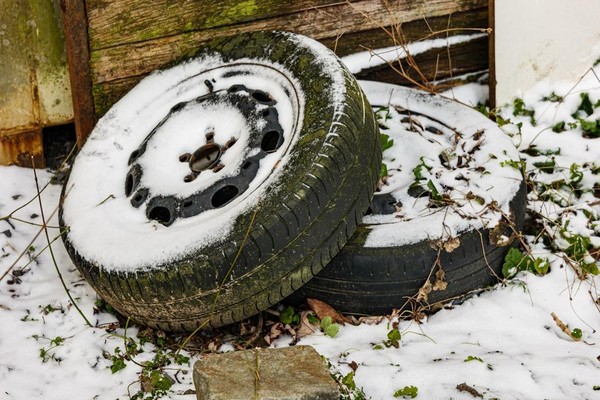
Tires are your vehicle’s only contact with the road, making their condition and type paramount for safety and performance.
Winter Tires vs. All-Season Tires in Cold Climates
In cold climates like Winnipeg, the choice between winter tires and all-season tires is critical for safe driving. All-season tires are designed to offer a compromise across various conditions, but they are inadequate for true winter driving. Winter tires, on the other hand, are engineered with specialized rubber compounds that remain soft and flexible even in extreme cold, providing superior traction on ice and snow. Their unique tread patterns feature deeper grooves and sipes (small cuts) that bite into slippery surfaces, significantly reducing braking distances and improving handling.
The difference in performance is stark: all-season tires harden in cold weather, losing grip, while winter tires retain elasticity and effectiveness. Many regions, including Manitoba, recognize this safety advantage, with programs like the Manitoba Public Insurance Winter Tire Program offering financial assistance for winter tire purchases. We recommend exploring such programs to ensure your vehicle is equipped for the harshest conditions.
Benefits of Nitrogen Tire Service
For many years, high-performance applications such as race cars, motorcycles, and aircraft have used nitrogen to fill their tires instead of regular air. This practice is now gaining traction for everyday vehicles due to several compelling benefits.
Advantages of Nitrogen Tire Service:
- Reduced Leaks: Nitrogen molecules are larger than oxygen molecules, which means nitrogen escapes through tire rubber much more slowly than air. This helps maintain more consistent tire pressure over longer periods.
- Corrosion Prevention: Regular air contains moisture, which can lead to rust and corrosion on the inside of your rims and valve stems. Nitrogen is dry, eliminating this moisture and protecting your wheels from internal damage.
- Consistent Pressure: With less leakage and no moisture, nitrogen-filled tires maintain more stable pressure, resulting in better fuel economy, improved handling, and extended tire life.
- Temperature Stability: Nitrogen is less susceptible to temperature-induced pressure changes than air, offering more consistent performance across varying driving conditions.
While nitrogen tire service requires an initial investment, the benefits of enhanced safety, extended tire life, and potential fuel savings often make it a worthwhile consideration for many drivers.
Tire Storage Services for Seasonal Changes
Managing seasonal tire changes can be a hassle, especially for those without adequate storage space. Tire storage services offer a convenient solution that also helps maintain tire integrity. Professional storage facilities ensure your off-season tires are kept in optimal conditions – away from direct sunlight, extreme temperatures, and moisture – which helps prevent rubber degradation.
Typically, a comprehensive tire storage service includes inspection, cleaning, and, if needed, rebalancing before storage. This not only saves you space and effort but also ensures your tires are ready for optimal performance when it’s time for the next seasonal swap. For example, if you opt for winter tires on dedicated rims, a tire storage service streamlines switching out your seasonal rim packages.
Protecting Your Investment: Consumer Rights and Shop Selection
When your vehicle needs repairs, knowing your consumer rights and how to choose a reliable auto repair shop is crucial. This knowledge empowers you to make informed decisions, avoid scams, and ensure you receive quality service.
Key Consumer Rights in Vehicle Repairs
Drivers have several fundamental rights when getting vehicle repairs:
- Written Estimates: Before any work begins, you are entitled to a written estimate detailing the expected costs for parts and labor. The shop must obtain your authorization before proceeding with any work that exceeds this estimate.
- Return of Parts: You have the right to request the return of any replaced parts. This allows you to inspect the old parts and verify that the work was necessary.
- Warranties on Repairs: Always inquire about the warranty coverage for parts and labor on the repair work performed. Get it in writing.
- Clear Explanations: The shop should clearly explain the diagnosis, the necessary repairs, and the costs involved.
For more detailed information on consumer rights related to auto repairs, we recommend consulting resources such as the Bureau of Automotive Repair (BAR) and the Federal Trade Commission (FTC), which provide comprehensive guides on these topics.
Choosing a Reliable Auto Repair Shop
Selecting a trustworthy repair shop is paramount. Here’s how to ensure you’re making the right choice:
- Check Licenses and Certifications: In many areas, auto repair shops must be licensed or registered. Verify their license status with the appropriate state or provincial authority. Look for shops that display certifications, such as an Automotive Service Excellence (ASE) seal, which indicates that technicians have met basic knowledge and competence standards.
- Read Reviews and Ask for Recommendations: Online reviews (Google, Yelp, etc.) and personal recommendations from friends or family can offer valuable insights into a shop’s reputation and customer service.
- Inquire About Warranties: A reputable shop will stand behind its work with a clear warranty on parts and labor.
- Compare Estimates: Get estimates from a few different shops for major repairs. While the lowest price isn’t always the best, comparing helps you understand fair market value.
- Consider Independent Shops vs. Dealerships: Independent shops often offer lower labor rates and are excellent for standard repairs. Dealerships might specialize in your vehicle’s make and model and are often the go-to for complex warranty work or specific diagnostic issues.
Auto Warranties vs. Service Contracts: Avoiding Scams
It’s crucial to understand the distinction between an auto warranty and a service contract (often called an extended warranty).
- Auto Warranty: This is typically included with the purchase of a new vehicle and covers manufacturing defects for a specified period (e.g., 3 years/36,000 miles). By law, you can get warranty repairs at any licensed auto shop, not just the dealership, as long as appropriate parts and procedures are used.
- Auto Service Contract: An optional, separately purchased agreement that covers certain repairs after the manufacturer’s warranty expires. They are not warranties under federal law. These contracts vary widely in cost, coverage, and reliability.
To avoid scams, be wary of unsolicited calls or mail about “expiring warranties.” Always read the fine print of any service contract, understand what is and isn’t covered, and research the provider’s reputation. Many service contracts are administered by third-party companies, which can complicate claim fulfillment. If you encounter issues, contact your state attorney general or the FTC.
Troubleshooting and Pre-Purchase Inspections
Recognizing the early warning signs of vehicle problems can save you from costly repairs and potential breakdowns. Equally important is a thorough inspection process when buying a used car.
Top Warning Signs of Vehicle Problems
Your vehicle often communicates issues through sensory cues:
- Unusual Sounds: Squealing brakes, grinding noises, knocking from the engine, or a clunking sound over bumps can all indicate problems. For instance, a high-pitched squeal when braking usually means your brake pads are worn and need replacement.
- Strange Smells: A burning rubber smell could indicate a slipping belt or tire friction. A sweet, syrupy smell often points to a coolant leak. The smell of rotten eggs can signal a problem with a catalytic converter.
- Leaks: Puddles under your car, especially if they are colored, are a red flag. Clear water is usually normal AC condensation, but green, orange, or pink fluid suggests a coolant leak. Dark brown or black fluid could be oil, while red fluid often indicates a transmission or power steering fluid leak.
- Performance Issues: A noticeable drop in fuel economy, sluggish acceleration, difficulty starting, or a vibrating steering wheel are all signs that something is amiss. Warning lights on your dashboard, such as the “Check Engine” light, should never be ignored.
When you notice any of these signs, it’s best to have your vehicle inspected promptly by a qualified technician. Early diagnosis can prevent a minor issue from escalating into a major, expensive repair.
Top 10 Things to Inspect When Buying a Used Car
When purchasing a used car, a meticulous inspection is non-negotiable. This process helps ensure you’re investing in a reliable vehicle and not a money pit.
Essential Used Car Inspection Points:
- Vehicle History Report (VHR): Obtain a report from services like Carfax or AutoCheck. This reveals accident history, previous owners, service records, and title status.
- Title Status: Verify the title is “clean,” avoiding salvage, flood, or rebuilt titles, which indicate significant past damage.
- Mechanical Condition (Pre-Purchase Inspection): Always have a trusted, independent mechanic perform a pre-purchase inspection (PPI). They will check the engine, transmission, suspension, brakes, and other critical systems.
- Exterior Inspection: Look for signs of bodywork, mismatched paint, rust, dents, and panel gaps that could indicate previous accidents or poor repairs.
- Interior Inspection: Check for excessive wear on seats, carpets, pedals, and the steering wheel. Test all electronics, lights, and climate control.
- Tire Evaluation: Inspect tire tread depth and look for uneven wear, which may indicate alignment or suspension issues. Check if all tires are the same brand and type.
- Fluid Checks: Examine oil, transmission fluid, coolant, and brake fluid for proper levels and color.
- Test Drive: Drive the car on various road types (city, highway) to assess acceleration, braking, steering, and listen for unusual noises.
- VIN Matching: Ensure the Vehicle Identification Number (VIN) on the dashboard, door jamb sticker, and title all match.
- Safety Recall Check: Use the VIN to check for any outstanding safety recalls on the National Highway Traffic Safety Administration (NHTSA) database. Manufacturers are required to fix these at no cost. You can also sign up for email alerts or download the SaferCar app for recall notifications.
Thoroughly inspecting these points significantly reduces the risk associated with buying a used car and helps ensure you’re making a sound investment. For more information on financing a purchase, our financing application and payment calculator can help you plan your financing.
Frequently Asked Questions
What are the most common automotive maintenance services recommended for regular vehicle upkeep?
The most common and crucial automotive maintenance services include regular oil and oil filter changes, tire rotations and pressure checks, brake inspections, fluid checks and flushes (e.g., transmission fluid, coolant, power steering fluid), and general multi-point inspections. Following your owner’s manual for specific intervals is key.
How do winter tires compare to all-season tires in cold climates?
Winter tires are specifically designed for cold climates, featuring softer rubber compounds that remain flexible in freezing temperatures and aggressive tread patterns for superior grip on ice and snow. All-season tires, while versatile, stiffen in the cold, losing traction and increasing stopping distances, making them less safe for severe winter conditions.
What is the difference between a manufacturer’s warranty and an auto service contract?
A manufacturer’s warranty is included with a new vehicle purchase and covers manufacturing defects for a set period. It’s legally protected, allowing repairs at any licensed shop. An auto service contract (often called an extended warranty) is an optional, separately purchased agreement that covers certain repairs after the manufacturer’s warranty expires. It’s not a federal warranty, and its terms, coverage, and reliability vary widely.
Conclusion
Successfully navigating modern vehicle ownership hinges on a proactive approach to both automotive maintenance and sales. By prioritizing regular preventive care, guided by your owner’s manual and expert advice, you not only ensure your vehicle’s long-term reliability and safety but also protect its financial value. From routine oil changes and tire care to specialized services like nitrogen tire fills and seasonal storage, every maintenance step contributes to a safer, more efficient, and more enjoyable driving experience.
Understanding your consumer rights during repairs and knowing how to select a trustworthy auto repair shop are equally vital. This empowers you to make informed decisions, avoid common pitfalls, and ensure you receive quality service. Moreover, having the knowledge to thoroughly inspect a used car, including checking for recalls and understanding vehicle history reports, is essential for making smart purchasing decisions.
The synergy between diligent maintenance and informed sales choices creates a cycle of responsible ownership. It means extending your vehicle’s life, maximizing its resale value, and enjoying peace of mind on every journey. We encourage you to maintain detailed records of all services, partner with reputable service centers, and stay informed about your vehicle’s needs. Whether you’re looking for service specials, need to order parts, or are ready to explore financing options for your next vehicle, proactive ownership is the key to unlocking the full potential of your automotive investment.