
Temporary protective films have become an essential solution in modern automotive manufacturing, particularly for safeguarding interior components throughout production, transportation, and final assembly.
As vehicle interiors become more sophisticated-featuring high-gloss surfaces, soft-touch materials, and complex electronics-the risk of scratches, contamination, and surface defects increases significantly.
Temporary protective films provide a reliable, cost-effective way to maintain quality and ensure that every vehicle reaches the end customer in pristine condition.
Protecting High-Gloss and Decorative Surfaces
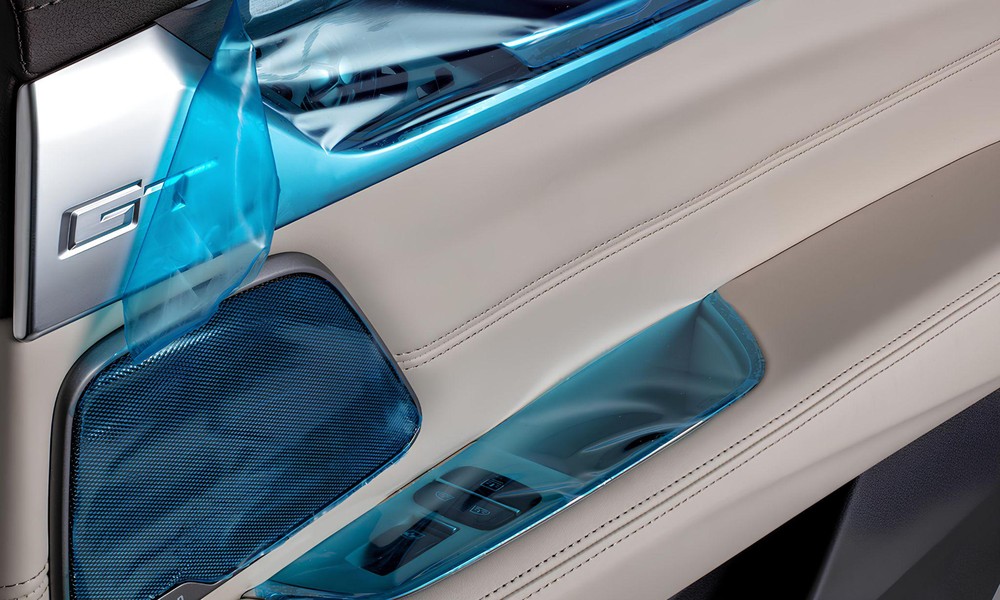
Automotive interiors increasingly incorporate high-gloss trims, piano black panels, chrome accents, and decorative films. While these materials enhance the vehicle’s aesthetic appeal, they are highly susceptible to scratches, fingerprints, and abrasion during handling. Temporary protective films act as a barrier, shielding these delicate surfaces from damage caused by tools, workers, or contact with other components.
These films are engineered with controlled adhesion-strong enough to stay in place during processing, yet easy to remove without leaving residue. This ensures that once the protective layer is peeled off, the surface remains flawless, preserving the intended premium look.
Safeguarding Plastic and Soft-Touch Components
Interior components such as dashboards, door panels, center consoles, and armrests are often made from plastics or soft-touch materials. These surfaces can be easily marred by friction, dust, or accidental impacts during assembly. Protective films help prevent micro-scratches and scuffs that could otherwise compromise both appearance and tactile quality.
Additionally, some protective films, such as PET protective films are designed with anti-static properties, reducing dust attraction. This is particularly important in automotive environments where airborne particles can settle on surfaces and cause defects during installation or inspection.
Protection During Assembly and Logistics
From injection molding and trimming to final vehicle assembly, interior components go through multiple handling stages. Each step introduces potential risks, including mechanical abrasion, chemical exposure, and contamination. Temporary protective films provide continuous protection throughout this entire process chain.
During transportation, components are often stacked, packed, and shipped over long distances. Vibrations and movement can lead to surface damage if not properly protected. By applying protective films early in the production process, manufacturers ensure that components remain intact and damage-free until they are installed in the vehicle.
Compatibility with Various Materials
One of the key advantages of temporary protective films is their versatility. They can be applied to a wide range of materials commonly used in automotive interiors, including:
- ABS, PC, and PVC plastics
- Coated metals and aluminum trims
- Glass and display screens
- Leather and synthetic upholstery
Modern films are formulated to maintain stable adhesion across different surface energies, ensuring reliable performance without causing discoloration or adhesive transfer. This compatibility allows manufacturers to standardize protection strategies across multiple component types.
Enhancing Efficiency and Reducing Costs
Surface defects in automotive interiors can lead to costly rework, part replacement, or even rejection at quality control stages. Temporary protective films significantly reduce these risks by preventing damage before it occurs. This proactive approach helps manufacturers maintain high yield rates and minimize production delays.
Furthermore, protective films streamline workflows by reducing the need for cleaning, polishing, or repair. Workers can handle components with greater confidence, knowing that the underlying surfaces are protected. This leads to higher operational efficiency while reducing overall production costs.
Clean Removal and Residue-Free Performance
A critical requirement for automotive applications is that protective films must be easily removable without leaving adhesive residue or damaging the substrate. Advanced adhesive technologies ensure clean peeling, even after prolonged application or exposure to varying temperatures and humidity levels.
This is particularly important for components that undergo heat exposure during assembly or are stored for extended periods. High-quality films maintain their integrity and removability, ensuring a smooth transition from protected to finished product.
Customization for Automotive Needs
Automotive manufacturers often require tailored solutions to meet specific process and design requirements. Temporary protective films can be customized in terms of thickness, adhesion level, color, and printability. For example, films can include printed logos, handling instructions, or alignment guides to support assembly operations.
In some cases, UV-resistant or heat-resistant films are used for components exposed to sunlight or elevated temperatures. These specialized features further enhance the functionality of protective films in demanding automotive environments.
Supporting Quality and Brand Perception
In the automotive industry, interior quality plays a crucial role in customer satisfaction and brand perception. Even minor defects can negatively impact the perceived value of a vehicle. Temporary protective films help ensure that every visible surface meets the highest quality standards, reinforcing a brand’s commitment to excellence.
By ensuring interiors remain free of scratches, dust, and defects, manufacturers can elevate customer satisfaction and reinforce their competitive advantage in the market.