
When your car makes a new noise, a dashboard light pops on, or routine maintenance is overdue, finding a trustworthy mechanic quickly becomes a priority. The right shop can keep a modest issue from turning into a major repair, protect your warranty, and extend the life of your vehicle. Yet with so many choices—and a mix of reviews, estimates, and technical language—deciding where to go can feel overwhelming. This article breaks down how to narrow your options with confidence, what to ask before authorizing work, and how to avoid common pitfalls, so you can choose a mechanic that’s a good fit for your vehicle, budget, and timeline.
Match the Shop to Your Vehicle and the Repair
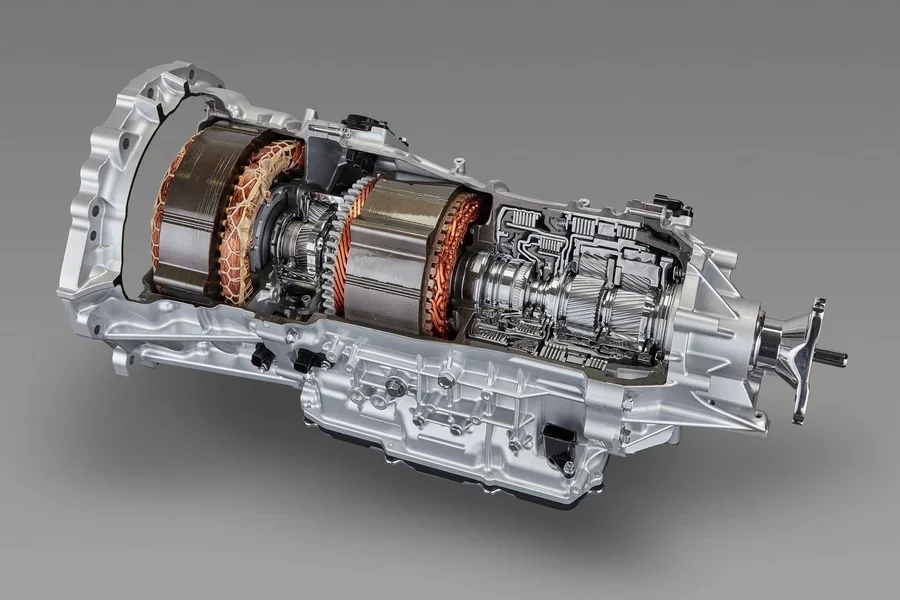
Start by clarifying what you need. General repair shops handle maintenance and common fixes such as brakes, batteries, and suspension. Some shops specialize in areas like transmissions, diagnostics, or certain vehicle brands, which can be valuable for complex issues or European models. If you drive a hybrid or EV, look for technicians trained on high-voltage systems. Warranty considerations matter, too: routine maintenance can typically be done at any qualified shop as long as the work follows the manufacturer’s schedule and uses appropriate parts and fluids. When you begin your search, you might type something like Mechanic near me to see nearby options, but use the initial results as a shortlist to research more deeply before you book.
Consider the tools and information access behind the counter. Modern cars rely on networked modules and sensors, so accurate diagnosis often requires up-to-date scan tools and service information. Ask whether the shop has equipment for your model year and whether they perform software updates or programming if your issue may require it. If you own a vehicle with advanced driver assistance systems or refrigerants used in newer air-conditioning units, confirm the shop can handle those systems safely. The right match isn’t just about distance; it’s about capability.
How to Vet a Mechanic Before You Hand Over the Keys
Reviews can be helpful when you read for patterns rather than perfection. Look for consistent comments about communication, timeliness, and clarity of estimates. A few negative reviews are normal; what matters is how the shop responds and whether concerns appear resolved. Professional certifications can also signal training. In the U.S., ASE (Automotive Service Excellence) certifications indicate technicians have passed industry exams; some shops display credentials for emissions testing, air-conditioning service, or state inspections where applicable.
Shop policies deserve a quick check. Ask about diagnostic fees, which compensate technicians for testing time and equipment, and whether that fee is applied if you proceed with repairs. Clarify how you’ll approve work—phone, text, or app—and whether you’ll receive a written estimate with parts and labor separated. Inquire about parts options, such as original equipment versus quality aftermarket, and whether the shop provides warranties on parts and labor. Finally, confirm turnaround expectations and whether the vehicle needs to stay overnight for testing or parts delivery.
Get an Estimate You Can Understand
A solid estimate tells you what the shop plans to do and what it will cost. It should list the symptom or diagnosis, the parts to be replaced, labor time, and shop supplies or disposal fees. If the problem is not fully diagnosed yet, you may receive a preliminary estimate or authorization for additional testing. This is normal—especially with intermittent issues or electrical faults—and helps prevent replacing good parts unnecessarily. Ask the advisor to flag any items that could change based on what testing reveals.
Good estimates also spell out approvals. Request that the shop contact you before performing any additional work beyond the authorized amount. If they uncover safety-critical problems—such as brake or steering failures—you will want to know promptly, but you should still have the chance to weigh options. You can also ask to have replaced parts saved for your review, which can be useful for learning what failed and why. Clear paperwork protects both sides and reduces surprises at pickup.
Avoid Common Repair Pitfalls
Dropping off a car with a note that says “fix the noise” sets everyone up for frustration. Provide detail: when the sound occurs, road speed, temperature, whether it happens during braking or turning, and how long it has been present. If a warning light is intermittent, note the conditions. Include any recent work and the brand of parts used, because those can influence diagnosis. The more specific your description, the faster the shop can reproduce and isolate the issue.
Be careful with the “cheapest quote wins” approach. An unusually low estimate may omit required parts, understate labor time, or skip necessary testing. Conversely, a higher estimate may reflect better-quality components, alignment or calibration services, or a warranty with easier claims handling. If you’re considering supplying your own parts, ask the shop about their policy first; some decline due to warranty complications or fitment risks. Finally, plan for a test drive after repairs when appropriate, and bring up any concerns before paying the bill so adjustments can be made while the vehicle is still in the shop.
Build a Long-Term Relationship With Preventive Care
Most drivers wait until something breaks to visit a shop, but routine maintenance is where a long-term relationship pays off. Following your owner’s manual for oil changes, fluids, filters, and inspections helps your car last longer and improves safety. A shop that has seen your vehicle over time can spot small issues before they become major ones, and they’ll have service history at hand when troubleshooting.
Communication matters just as much as technical skill. Expect plain-language explanations of what’s wrong, why it happened, and what your options are—fix now, monitor, or defer with recheck intervals. Keep records of invoices and recommendations, and ask for a maintenance plan tailored to your mileage and driving conditions. Seasonal readiness checks, such as battery and coolant tests before extreme weather, can prevent breakdowns at the worst times. Over time, consistent care, clear paperwork, and mutual trust create a smoother experience whenever your dashboard throws you a curveball.
Choosing a local mechanic is ultimately about confidence: confidence that the shop can diagnose your vehicle accurately, that estimates reflect the real work required, and that you’ll be heard if something doesn’t feel right. Start by matching the shop’s capabilities to your car and concern, verify policies before you commit, and insist on estimates you can explain back. Avoid rushing to the lowest number without understanding what’s included, and keep up with preventive maintenance so emergencies are rare. With a bit of upfront research and ongoing communication, you can turn a stressful chore into a reliable routine that keeps you safely on the road.