Every driver gets crucial safety data from contemporary tire pressure monitoring. Smart technology informs you when tire pressure dips below safe levels. Battery depletion or physical damage eventually destroys these electronic components. Systematic thinking and mechanical understanding are needed to identify a faulty sensor. Before hiring G&D Automotive, you must recognize failure. Valid diagnostics save time and reduce road tire wear.
Recognize the Warning Lights
The most obvious sign of trouble appears on your vehicle dashboard. A solid yellow light usually indicates low air pressure in one tire. But a flashing light often signals a hardware fault within the system itself. This blinking pattern occurs for about one minute after you start the engine. Now you should check the actual pressure with a high-quality manual gauge. If the manual readings are perfect, the sensor is likely sending false data. Sometimes a simple reset fixes the glitch but the light often returns quickly.
Observe Physical Sensor Damage
A cracked or brittle stem can cause slow leaks around the sensor base. You might notice a missing or seized valve cap during your visual inspection. This exposure allows dirt to enter and damage the internal electronics. The expert team at G&D Automotive can identify these structural weaknesses easily. Gentle wiggling of the stem might reveal a loose connection or broken seal.
Monitor Intermittent Signal Loss
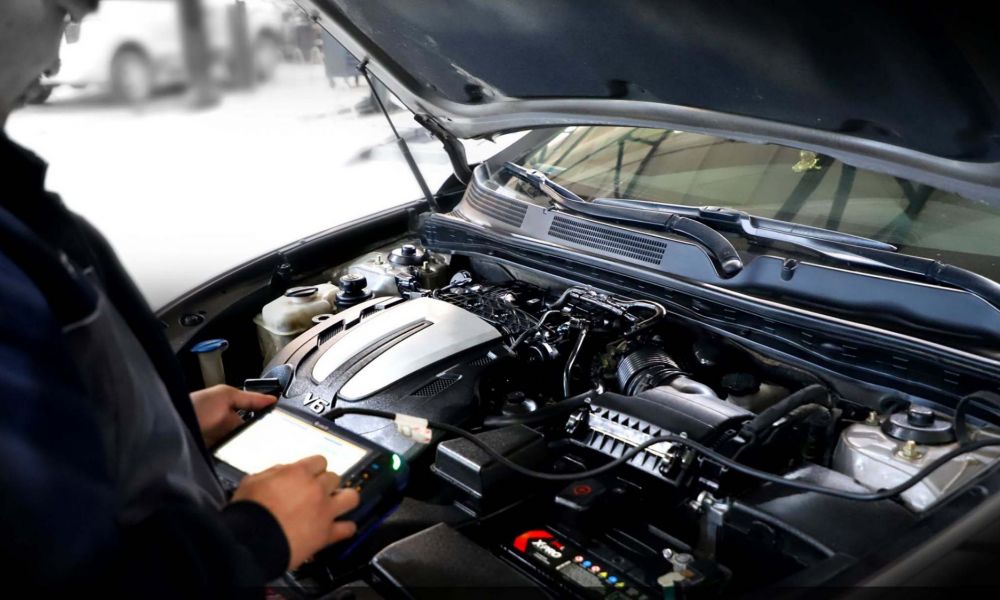
Older batteries inside the wheel units often struggle to transmit a consistent signal. You will see the warning light pop on and off during long drives. The signal may disappear entirely when the weather becomes extremely cold or wet. This inconsistency suggests that the internal power cell is nearing its final days. You might need a professional Diesel Repair in Hillsboro, OR to scan the specific sensor codes. Digital scanners pinpoint exactly which wheel is losing its connection to the vehicle.
Check for Recent Tire Service
Problems often arise immediately after you install new tires or rotate the wheels. A technician might accidentally bump the sensor during the complex mounting process. Sometimes the car computer loses track of the specific sensor locations after rotation. You must perform a relearn procedure to sync the system with the new positions. Many vehicles require a specialized trigger tool to complete this calibration task. If the system fails to calibrate, a sensor was likely damaged during the tire change. The experts at G&D Automotive handle these delicate components with extreme care.
Evaluate Battery Life Cycles
Most original equipment sensors last between five and ten years under normal conditions. High mileage drivers often experience earlier failures due to constant signal transmission. You should consider the age of your vehicle when diagnosing mysterious dashboard warnings. If one sensor fails, the others will likely stop working very soon. Replacing all four units at once ensures long term reliability for your safety.