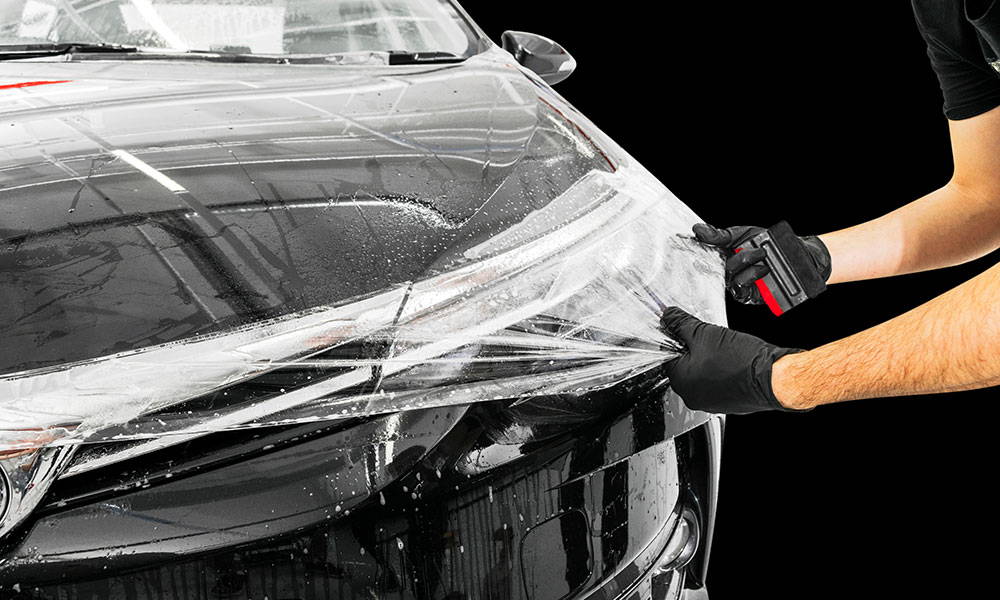

Protective coatings aid surfaces stay safe from scratches, stains, and fading caused by outside rudiments over time. To find out more, it is valuable to know how these ecological factors influence bonding strength, surface clarity, and lasting resistance. Proper care methods also play a key role in maintaining consistent protection while reducing early wear across exposed surfaces. Surface layers face constant exposure to natural elements that slowly change their strength, flexibility, and visual clarity. Shifts in heat levels, water exposure, and dust accumulation can weaken adhesion if not managed well.
How does heat impact film durability?
High heat levels soften surface layers, reduce adhesion strength, and increase stretching risk, which may lead to minor lifting during extended exposure periods across surfaces that remain under strong sunlight for long hours without proper cooling or maintenance care.
How does cold affect surface flexibility?
Low temperature makes protective layers stiff, reduces flexibility, increases cracking chances, which may affect smooth finish across surfaces when exposed to freezing conditions for long periods without gradual warming or proper application support during installation stages.
How does dust impact surface smoothness?
Dust particles settle on surfaces, create rough texture, and reduce clarity, which may affect overall appearance during long exposure periods without regular cleaning or protective care methods that maintain a smooth coating across protected areas effectively.
How does wind influence surface damage?
Strong wind carries particles, causes abrasion, weakens the outer layer, which may reduce protection quality across exposed areas when surfaces face constant movement of airborne materials without protective cleaning or routine inspection processes in place.
How does humidity influence surface bonding?
High humidity levels slow drying, weaken adhesion, and increase bubble formation, which may affect proper bonding across surfaces when protective layers are applied without controlled conditions or sufficient curing time during installation processes.
How does care improve film lifespan?
Regular cleaning, proper inspection, and controlled exposure improve durability and maintain clarity, which helps extend protective layer life across surfaces when supported by correct maintenance practices that ensure stability during changing environmental conditions.
Effective maintenance requires proper cleaning, timely checks, and controlled exposure to maintain surface strength under changing environmental conditions. To find out more, consistent care combined with suitable application methods helps improve durability while reducing early damage risks. Modest steps such as cleaning, drying, and inspection help maintain strong adhesion while supporting long-term protection.