
Summer driving can reveal hidden cooling system weaknesses within a vehicle. Hot weather places greater pressure on the engine cooling system. The thermostat plays an important role in maintaining suitable engine temperature. It controls coolant movement between the engine and radiator. When this component begins failing, summer conditions can make symptoms more noticeable. Now prolonged driving can expose problems that remain hidden during cooler weather. So understanding these warning signs can help prevent expensive engine damage.
Understanding the Thermostat’s Important Role
A healthy thermostat responds smoothly to changing engine temperatures during operation. A failing thermostat may open too slowly or remain partially closed. Sometimes it can also remain open when the engine needs warmth. Either condition can affect engine performance and cooling efficiency. The problem becomes more obvious when outside temperatures rise significantly. Therefore summer driving can provide important clues about thermostat condition.
Why Hot Weather Increases Cooling System Pressure
Heavy traffic can make the situation even more challenging for older vehicles. Slow movement reduces the natural airflow passing through the radiator. The cooling fan must then provide more assistance for temperature control. If thermostat operation is poor, coolant circulation can become insufficient. The engine temperature may consequently rise beyond its normal operating range. Therefore overheating during summer traffic should never be dismissed as ordinary.
Warning Signs That Can Reveal Thermostat Trouble
Several symptoms may appear when a thermostat starts developing mechanical problems. An unusual temperature gauge reading can provide an important early warning. The gauge may climb higher than expected during prolonged summer journeys. It may also fluctuate rather than remaining relatively stable during normal driving. Such changes can indicate inconsistent coolant circulation inside the system.
An overheating engine represents a more serious warning that requires immediate attention. Steam or unusual smells can accompany excessive engine temperatures. The cooling fan may also appear to operate more frequently. These symptoms can have several possible causes beyond thermostat failure. However the thermostat should remain part of a professional cooling system inspection. The Auto Repair in Sugar Land, TX
service can help identify the underlying mechanical cause accurately.
How Thermostat Problems Can Affect Engine Performance
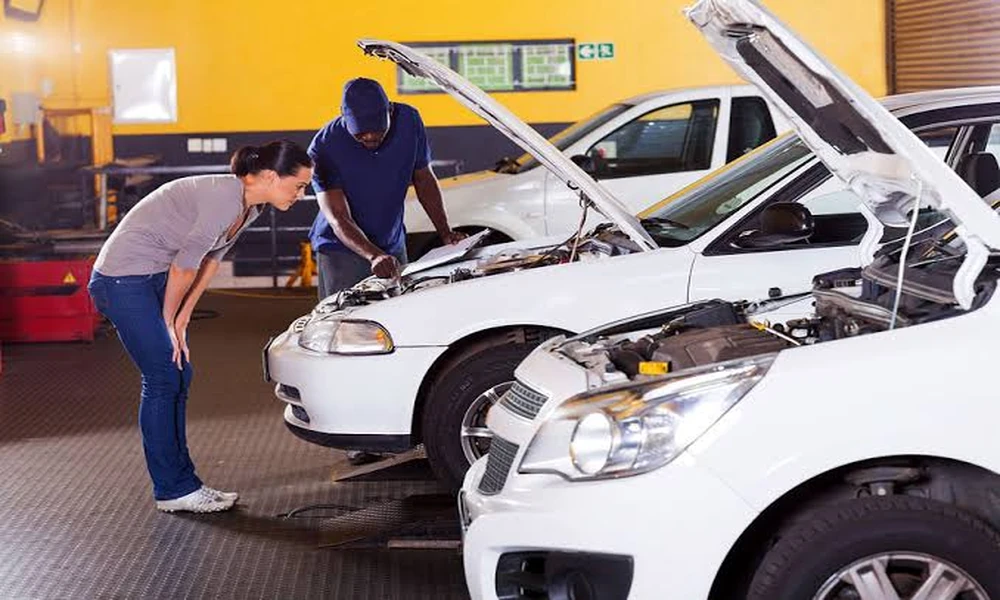
Professional inspection can determine whether the thermostat is actually causing overheating. Mechanics can examine coolant circulation and related cooling system components. They can also inspect the radiator hoses and temperature sensors. This broader diagnosis helps prevent unnecessary replacement of unrelated components. Texan Auto Repair can provide suitable inspection and repair support when cooling concerns appear.
Preventing Summer Thermostat Problems From Becoming Major Repairs
Thermostat replacement is generally more practical than repairing a damaged engine. The correct replacement should match the vehicle manufacturer’s specifications. Installation should also include inspection of surrounding cooling system components. Texan Auto Repair can assess thermostat performance and identify related cooling system concerns. Professional service can restore reliable temperature regulation before summer driving causes greater problems.