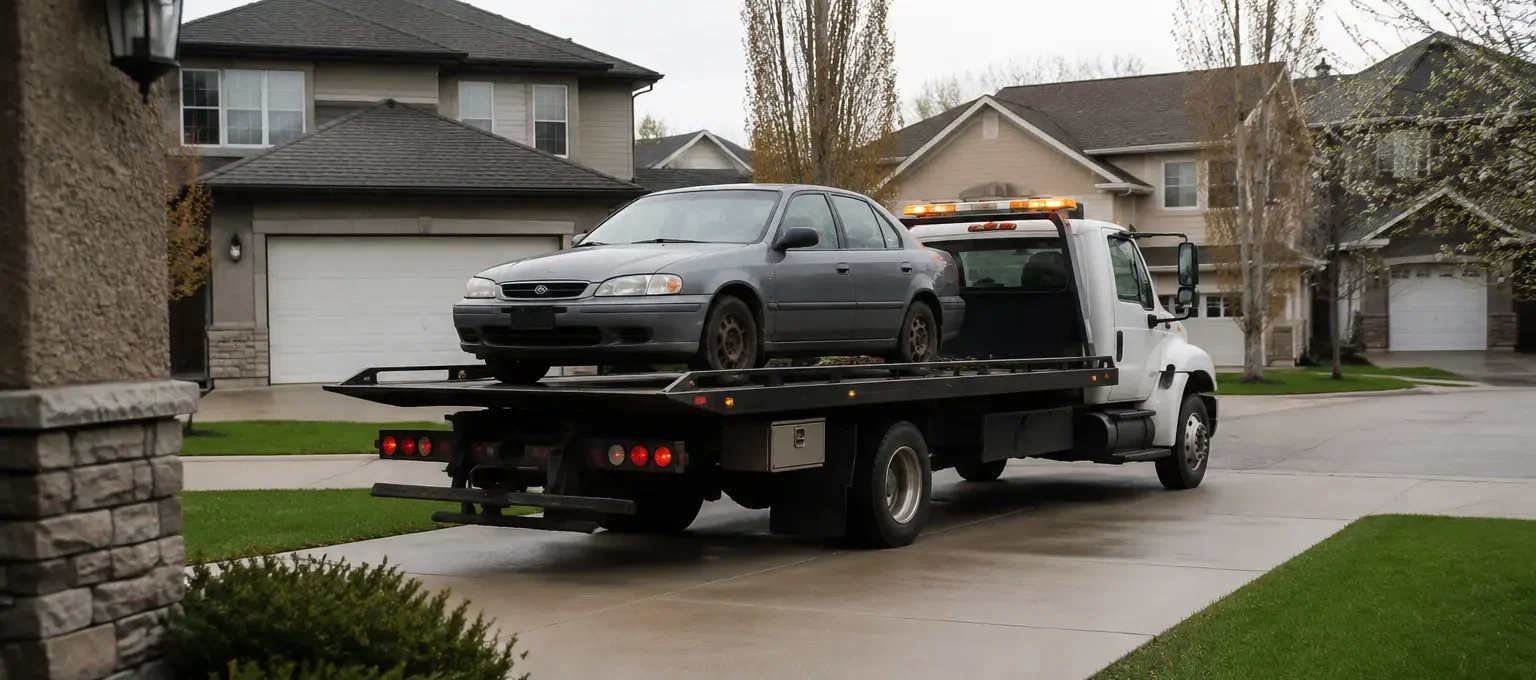

Most sellers assume the story ends when the tow truck pulls away. The car is gone, the cash is in hand, and that’s the whole transaction. What actually happens next is a structured, multi-stage process most people never see. Understanding it matters because it’s what separates a professional buyer from a scrap yard that pays only for steel weight. The value recovered from a complete vehicle doesn’t stop at the metal; it runs through parts, fluids, electronics, and recycled material before anything is finally done.
Here’s what that process looks like, from yard arrival to the last piece of recycled steel.
What Happens at Yard Arrival: Intake and Assessment
The first thing that happens when a vehicle arrives is a condition assessment. Technicians log the year, make, model, and VIN, then walk around to confirm what’s present and what’s missing. This determines how the vehicle moves through the rest of the process.
A vehicle with an intact catalytic converter, working engine, and undamaged panels gets routed to the dismantling team first. One with significant damage or missing components may move faster to crushing. Alberta’s regulatory environment adds a layer that doesn’t apply everywhere: buyers registered under Alberta’s framework maintain documentation on each vehicle received, so every car through a professional yard has a paper trail from the moment it arrives.
Hazardous Fluid Removal: The Regulated First Step
Before any dismantling begins, all hazardous fluids are drained and handled separately. This isn’t optional: Alberta’s environmental standards require engine oil, transmission fluid, brake fluid, coolant, fuel, and air conditioning refrigerant to be removed and processed by licensed facilities rather than allowed to contaminate soil or groundwater.
Each fluid category follows a different path afterward:
-
Used engine oil is collected, filtered, and resold as recycled oil or refined into base lubricant stock
-
Coolant is typically recovered and processed for reuse
-
Refrigerants from air conditioning systems require specialized recovery equipment and licensed handling
-
Brake fluid and other hydraulic fluids go to regulated disposal facilities
This step is one of the practical differences between selling to a licensed buyer and letting a vehicle deteriorate on private property. A car left sitting on a driveway or field leaks these same fluids slowly into the soil, and in Alberta, that liability falls on the property owner, not anyone licensed to handle it properly.
Parts Dismantling: Where Most of the Value Is Recovered
This is the most labour-intensive stage and the one that generates the most recoverable value. Technicians remove components that can be cleaned, tested, and resold as used parts. Alberta car buyers who run full-service yards structure this differently than national chains, prioritizing categories that reflect Alberta’s vehicle population and climate.
The main pulls at this stage include:
-
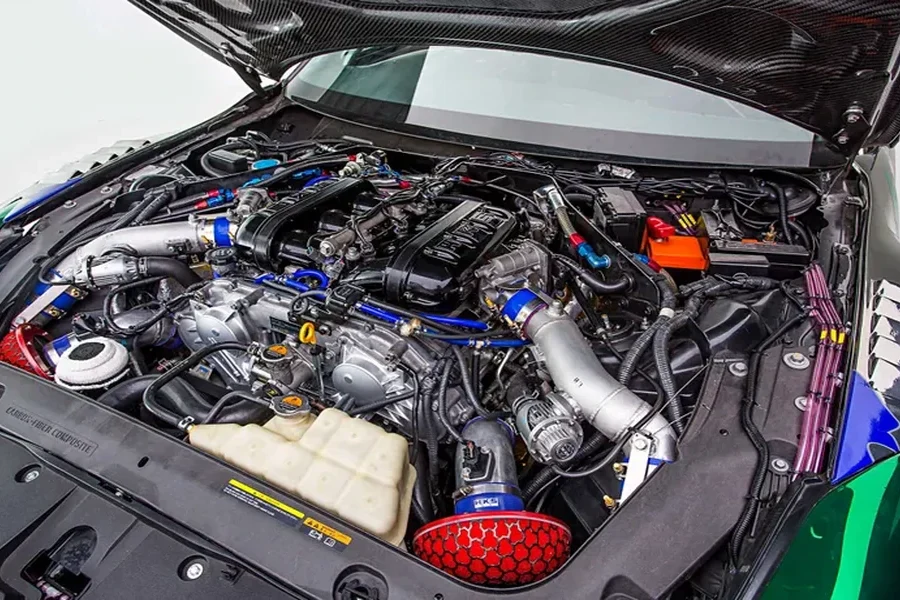
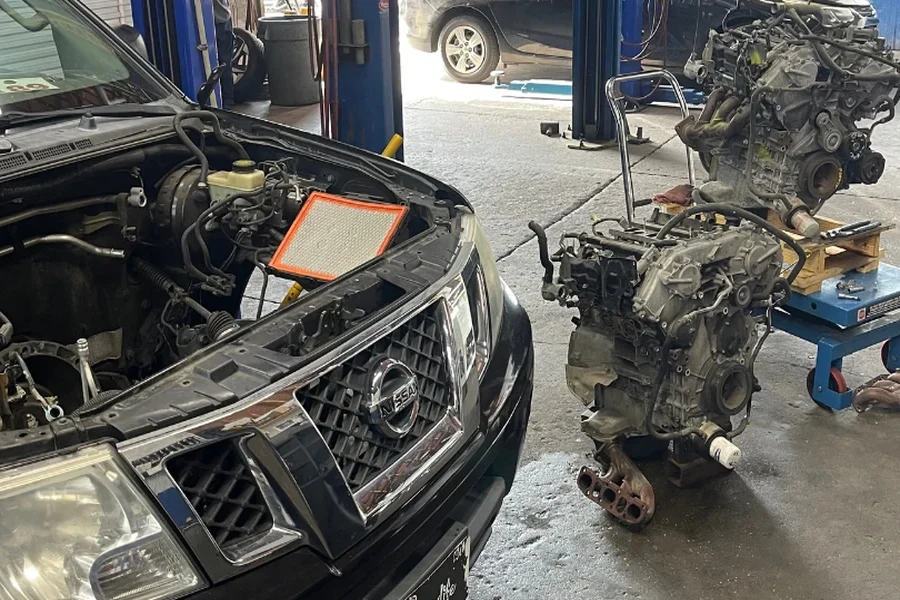
Engines and transmissions: the highest-value mechanical pulls. A working or rebuildable engine on a popular truck model can be worth more than the scrap metal value of the whole vehicle. Even a seized block on a high-demand model may have rebuild value.
-
Electronics: ECU modules, instrument clusters, infotainment systems, and sensors are removed carefully since they’re fragile and in consistent demand. Alberta’s cold winters accelerate electrical issues in aging vehicles, keeping demand for tested used electronics steady locally.
-
Body components: doors, hoods, fenders, bumpers, and mirrors in usable condition go into inventory. Hail damage is common across Alberta, which makes undamaged panels from non-hail vehicles especially useful.
-
Wheels, tires, and batteries: assessed and pulled separately. Hybrid and EV batteries go through additional safety protocols given the high-voltage systems involved.
-
Catalytic converter: removed and handled separately given its precious metal content, which requires a specialized refining process.
What Happens to the Parts Inventory
Once removed, salvaged components go through cleaning and testing before entering inventory. Mechanical parts are bench-tested where possible; electronics are tested for function; body panels are graded by condition. Parts that pass go to repair shops, independent mechanics, and private buyers looking for affordable alternatives to new OEM parts.
Pricing is set by condition grade, local market demand, and comparison to OEM retail prices. Parts pulled from vehicles common to Alberta roads, trucks, SUVs, and older domestic models, move through inventory faster than parts from low-volume imports. An auto wrecker Calgary operation stocks its inventory to reflect the local vehicle population, so a used F-150 transmission moves faster there than a part for a model rarely sold in Western Canada.
Used parts from a professional dismantler are also more reliable than parts pulled from unknown sources, since they’ve been tested, graded, and stored properly, not pulled in a field and left to sit.
Crushing, Shredding, and Metal Recycling
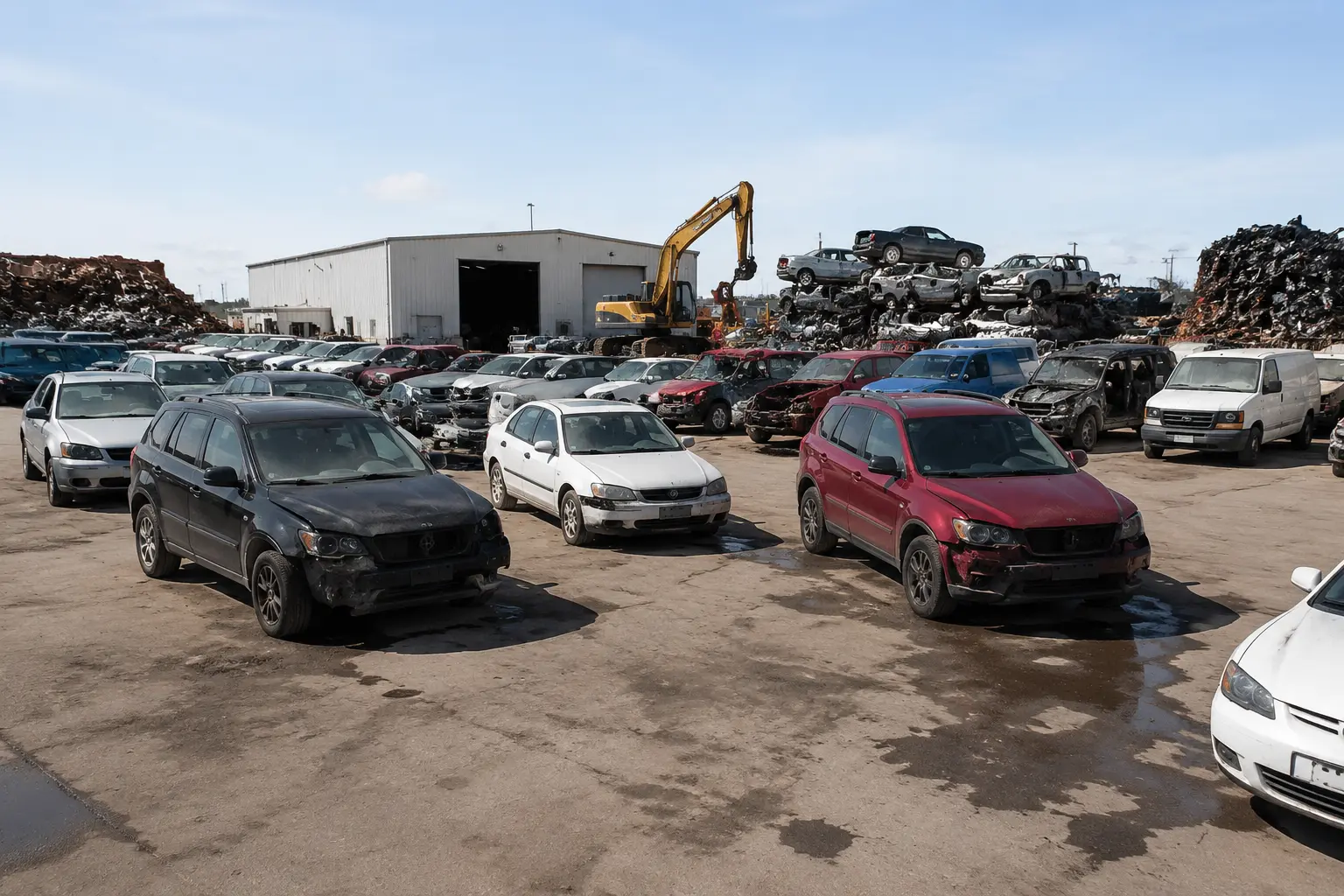
Once every salvageable component has been removed, what remains is a stripped shell: frame, body structure, and non-removable metal. The shell is compressed into a compact block and shredded, where steel and aluminum are separated by type using magnets and eddy current separators.
The shredded metal doesn’t disappear; it re-enters the supply chain as raw material for new steel used in automotive production, construction, and appliances. Recycling steel this way uses less energy than producing new steel from iron ore, which is why automotive recycling is a significant part of Canada’s broader metals industry.
What This Means for the Vehicle That Left Your Driveway
The car that left your driveway didn’t just get scrapped. It went through a structured process that recovered usable parts for other Alberta drivers, disposed of hazardous fluids safely, and recycled the remaining metal back into the supply chain. That’s what allows professional Alberta car buyers to pay more than scrap-only rates, since the value extracted doesn’t stop at the weight of the steel.
One practical takeaway: sellers who hand over a complete vehicle, converter intact, no stripped parts, give the buyer the full range of that process to work with. That completeness shows up directly in the offer, since every component still attached is one more source of recoverable value before the vehicle even reaches the yard.