
Every car culture has its sacred objects. For the Nissan faithful, those objects are engines. Mention an RB26 or an SR20DET in the right crowd and watch faces light up. These are not just power plants. They are the hardware behind some of the most beloved Japanese cars ever built, and decades later they remain the foundation of countless builds. If you are getting into the world of Nissan swaps, knowing these engines is where the journey starts.
What makes Nissan’s catalog special is its range. The company built bulletproof workhorses and screaming turbocharged icons under the same badge, which means there is a right Nissan engine for nearly any project and budget.
The SR20DET: the drifter’s favorite
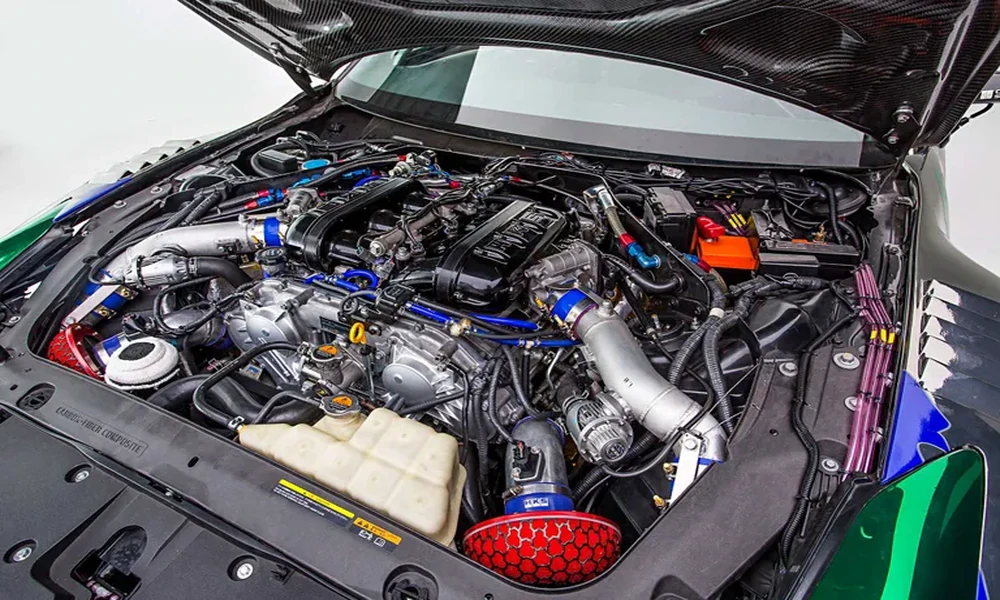
No engine is more tied to the rise of drifting than the SR20DET. This 2.0 liter turbocharged four-cylinder powered the Silvia and 180SX in Japan and became the go-to swap for the 240SX in North America. It is compact, responds eagerly to boost, and has a tuning community so deep that parts and knowledge are everywhere.
The SR20DET’s appeal is balance. It makes strong power without the weight of a larger engine, it fits cleanly into the lightweight S-chassis cars that handle so well, and it can be pushed hard with the right supporting modifications. For anyone building a 240SX or chasing that classic Japanese sport-compact feel, the SR is the natural starting point. A browse through available Nissan JDM engine selection usually turns these up alongside the rest of the family, and seeing them next to the alternatives helps clarify what you actually want.
The RB series: the inline-six royalty
If the SR20DET is the people’s champion, the RB26DETT is royalty. This twin-turbocharged 2.6 liter inline-six powered the legendary Skyline GT-R, the car that earned the Godzilla nickname for its dominance on road and track. The RB26 is a masterpiece of engineering, capable of handling enormous power with the right build, and it carries a mystique few engines can match.
Its smaller siblings deserve attention too. The RB25DET, a single-turbo 2.5 liter six, offers much of the RB character at a more accessible price and is a hugely popular swap in its own right. The whole RB family shares that smooth, torquey inline-six personality that turbo-six enthusiasts chase. These engines are not the budget option, but for builders who want that specific feel and serious power potential, nothing else scratches the itch.
The VQ series: the modern muscle
Move into the 2000s and the VQ series takes center stage. The VQ35DE, a 3.5 liter V6, powered the 350Z and a long list of other Nissans, and it brought genuine performance to a wider audience. Smooth, strong, and reliable, the VQ made naturally aspirated power accessible without the complexity of a turbo setup.
For someone who wants a robust, characterful engine with a healthy aftermarket and no turbo plumbing to manage, the VQ is an excellent choice. It also responds well to forced induction for those who later want more. The VQ represents Nissan’s modern performance era, and it remains a strong foundation for builds that prioritize reliability alongside power.
The KA24: the underdog
The KA24 rarely gets the glory, but it earns respect. This 2.4 liter four-cylinder was the engine many 240SX cars actually came with in North America, and for years it was treated as the thing to rip out. Over time, builders came to appreciate it. The KA24 is torquey, durable, and cheaper to work with than the glamorous turbo engines, and a well-tuned one is a genuinely capable street engine.
For a budget build or someone who values low-end grunt and simplicity, the KA24 deserves a second look. Not every great project needs an exotic engine code on the valve cover.
The engine is only half the build
A hard truth the Nissan community learns quickly: the engine is the headline, but the supporting work is where the budget and the weekends actually go. Dropping a turbocharged SR20DET or RB into a chassis that never had one means addressing fuel delivery, cooling, engine management, and often the wiring harness. The engine itself can be the cheapest part of the equation once you account for everything around it.
This is where buying a complete unit pays off. An engine that arrives with its turbo, manifolds, sensors, and accessories saves you the scavenger hunt for parts that a bare unit forces on you. Before committing, confirm exactly what is included, because the difference between a complete swap package and a long block is enormous in both cost and effort. Factor the whole project, not just the sticker on the engine, and your budget planning stays honest.
Match the engine to the chassis, not just the dream
It is tempting to chase the most legendary engine you can afford, but the smarter move is matching the engine to the car and your goals. An RB swap into a lightweight S-chassis is a serious undertaking that changes the car’s weight balance and demands real fabrication. An SR into the same chassis is a far more natural fit with established support. The VQ shines in the cars it came in and in builds that want reliable V6 power without turbo complexity.
Think about how you actually want to drive the car, then choose the engine that serves that, rather than the one with the biggest reputation. A well-executed build around the right engine for your chassis will always beat an ambitious build around the wrong one. The most respected cars in the Nissan world are not always the ones with the rarest engines. They are the ones where every choice fits together.
How to pick the right one for your project
With the icons laid out, the choice comes down to honest priorities. Want the classic drift-car experience in a lightweight chassis? The SR20DET. Chasing big turbo-six power and that legendary GT-R lineage? The RB family, with the RB25 as the value entry point. Want modern, reliable V6 muscle with room to grow? The VQ35. Building on a budget or after simple, torquey reliability? Do not dismiss the KA24.
Beyond character, weigh the practical factors. Turbocharged engines make big power but demand more supporting work and a healthier budget. Naturally aspirated units are simpler and often more forgiving for a first build. Match the engine to your chassis, your skill level, and your wallet, not just to the legend.
The beauty of the Nissan world is that there is no wrong entry point. A scrappy KA24 build and a no-expense-spared RB26 monster are both part of the same tradition. The import market keeps all of these engines accessible, sourced with the low mileage that Japan’s vehicle replacement cycle produces. Pick the one that fits your vision, learn its strengths, and you are joining a culture that has been turning these engines into legends for decades.