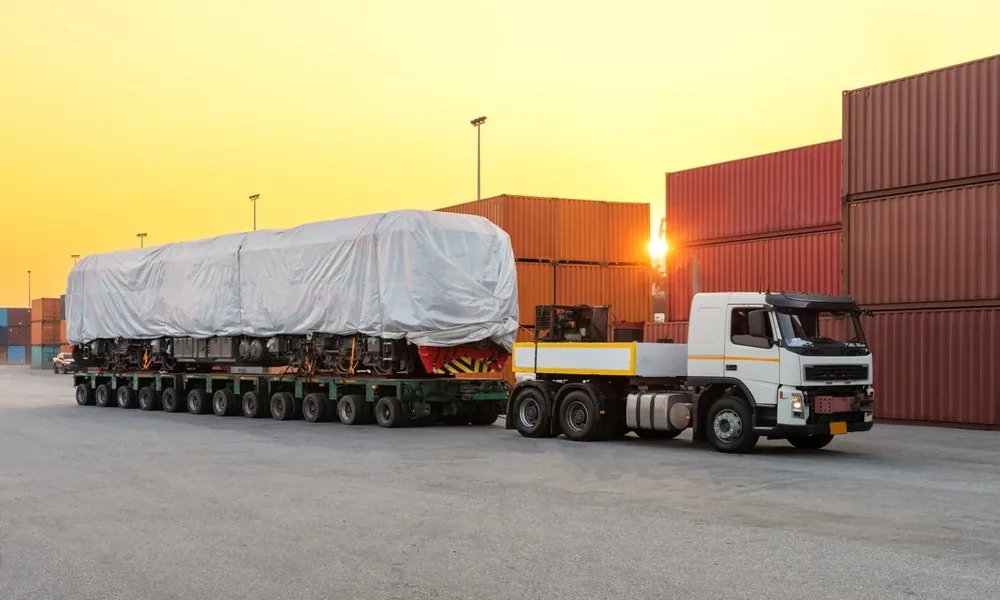

Moving oversized equipment is much more difficult than moving standard freight. Specialised trailers, permits, route planning, and experienced drivers are all often necessary for heavy machinery, construction equipment, agricultural vehicles, and industrial components.
Choosing the right logistics provider from the beginning can help prevent unnecessary delays, added costs, and transportation risks. Taking the time to Choose Freight Partner Oversized Equipment based on proven experience, specialised capabilities, and knowledge of regulatory requirements ensures your machinery is handled safely throughout every stage of the journey. A dependable freight company will also provide clear communication, proper planning, and tailored transport solutions that match the size, weight, and complexity of your shipment, giving you greater confidence that your equipment will arrive securely and on schedule.
Find Experience With Oversized Freight
Not all freight companies will be able to deal with larger loads. Large equipment requires specific expertise in load securement, weight distribution and state and local transportation laws. Inquire about the length of time the firm has been dealing with oversized shipments and their expertise in shipping the kind of equipment you carry. An experienced freight partner will be better equipped to foresee problems and address them appropriately.
Check Licensing and Insurance
Oversized freight can come with greater risks than regular shipping, so it is important to ensure that they are licensed and insured properly. Your carrier should have operating authority and have sufficient cargo and liability insurance to cover your shipment during transit. Before entering into a contract, ask for proof of insurance coverage and make sure the insurance covers the equipment and its value.
Assess their equipment and vehicles.
The safety and efficiency achieved in transportation rely on the condition of the freight company’s equipment. Oversized equipment can be transported on lowboy trailers, step-deck trailers, multi-axle trailers, or other special equipment as needed to fit the shipment. Maintaining a well-kept fleet minimises the chance of mechanical issues and maintains deliveries on schedule. Be assured to inquire about the type of trailers and hauling equipment that will be used for your project.
Inquire about Route Planning and Permits
When moving larger equipment, the route may have to be carefully planned to avoid low bridges, weight restrictions, narrow roads, etc. Additionally, in some cases, special permits are needed before transportation. The applications for permits, finding out the safest route and coordinating with local authorities should be handled by an experienced freight partner. They help minimise delays and adhere to transportation guidelines by making plans.
Communication Matters
Communication is a vital component of any successful freight project that is successful. Opt for a transportation firm that provides updates on your shipment, from when it’s picked up to when it reaches its destination. Being able to communicate is the key to planning around delivery dates, reacting rapidly to any surprise changes and knowing that your shipment is being tracked from beginning to end, so that you have control in your hands.
Think SAFETY and REPUTATION.
Transporting oversized equipment should always be done with safety as a priority. Inquire about its safety history, driver training protocols and maintenance programs. You can also gain some insight from customer reviews and by asking for references.
Balance Cost With Value
Price is a factor, but not the only factor to consider, as the lowest bid may not be the best one. This is because a higher rate could be due to more extensive cover, experienced drivers, specialist vehicles and improved customer service.
Make an Informed Decision
It is essential for careful research and planning to find the right freight partner for oversized equipment. The success of a shipment depends on experience, correct licensing, specialised equipment, route planning skills, communication, and a good safety history.