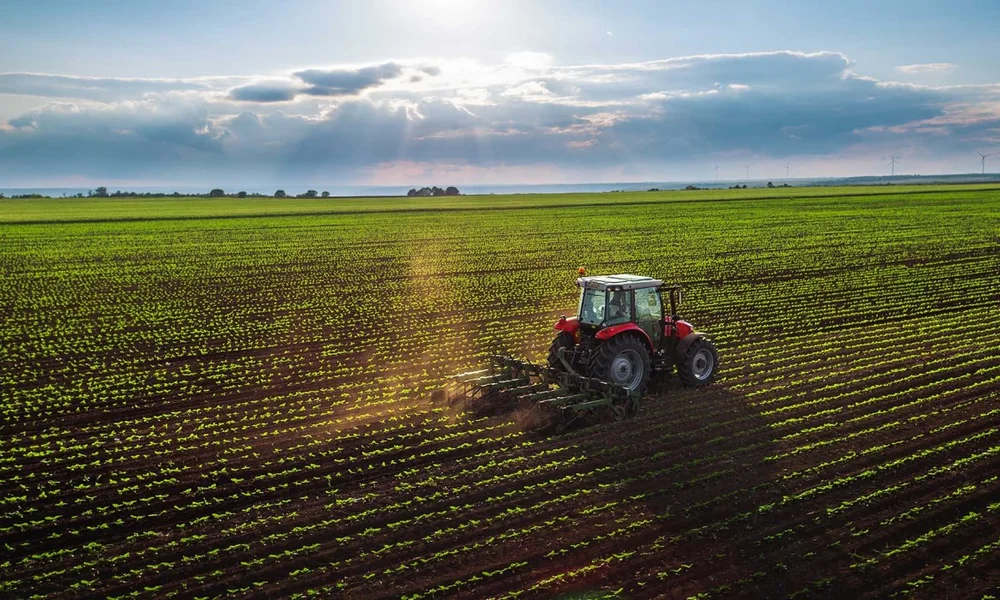

A farm’s daily workload, operating costs, and production can all be impacted by the tractor choice, making it a crucial choice. One farmer may find that a particular machine is not appropriate for another. The decision is influenced by several factors, including the size of the land, the soil, the crops, the tools that are accessible, and the kind of work that is needed. Farmers should consider how well a tractor fits their actual farming demands rather than just focusing on brand or looks.
When upgrading your agricultural operations, selecting the right model among available farm tractors is essential to ensure you have the appropriate horsepower, maneuverability, and implement compatibility required to handle your daily field workloads efficiently.
2. CONSIDER THE SIZE OF THE FARM
The first thing to think about is the farm’s size and layout. A small tractor that can manoeuvre through tight spaces may be preferred by farmers operating on smaller holdings. A machine with more power and fuel capacity might be needed for longer operations on larger farms. Additionally, field conditions are important, especially when the land has multiple plots, slopes, or uneven surfaces.
3. CHOOSE THE RIGHT POWER
The tractor’s power should be appropriate for the tasks it will be performing. Different amounts of electricity may be needed for tilling, ploughing, moving supplies, planting, and running large machinery. An underpowered tractor could find it difficult to handle difficult tasks, while an overpowered tractor might lead to needless fuel and purchasing costs. Therefore, while choosing engine capacity, farmers should consider their routine duties.
4. CHECK IMPLEMENT COMPATIBILITY
A tractor’s use is largely determined by the tools it can employ. Farmers should make sure the machine is compatible with tools like loaders, rotavators, trailers, cultivators, ploughs, and seeders before making a purchase. The power take-off, hydraulic capacity, three-point linkage, and lifting capability are significant features. Taking anticipated equipment purchases into account can also assist prevent future issues.
5. LOOK AT RUNNING EXPENSES
The entire expense of owning a tractor is not covered by the purchase price. Long-term costs can be significantly increased by fuel use, maintenance, tires, lubricants, spare parts, and repairs. Farmers should weigh the initial price against anticipated operating expenditures. For routine agricultural tasks, a tractor that is easy to maintain and burns fuel effectively might be more useful.
6. THINK ABOUT OPERATOR COMFORT
Tractor work can be time-consuming, especially during the planting and harvest seasons. Features like easy steering, good visibility, accessible controls, an adjustable seat, and efficient suspension may all make a big impact. In addition to making the equipment easier to use, basic controls can decrease needless tiredness during long workdays.
7. CONCLUSION
Comparing costs and engine sizes is only one aspect of choosing a tractor. Careful consideration should be given to farm circumstances, necessary power, implement compatibility, operating costs, operator comfort, service support, and future requirements. Farmers can make a sensible decision that promotes effective fieldwork and consistent performance over several agricultural seasons by weighing these elements collectively.